


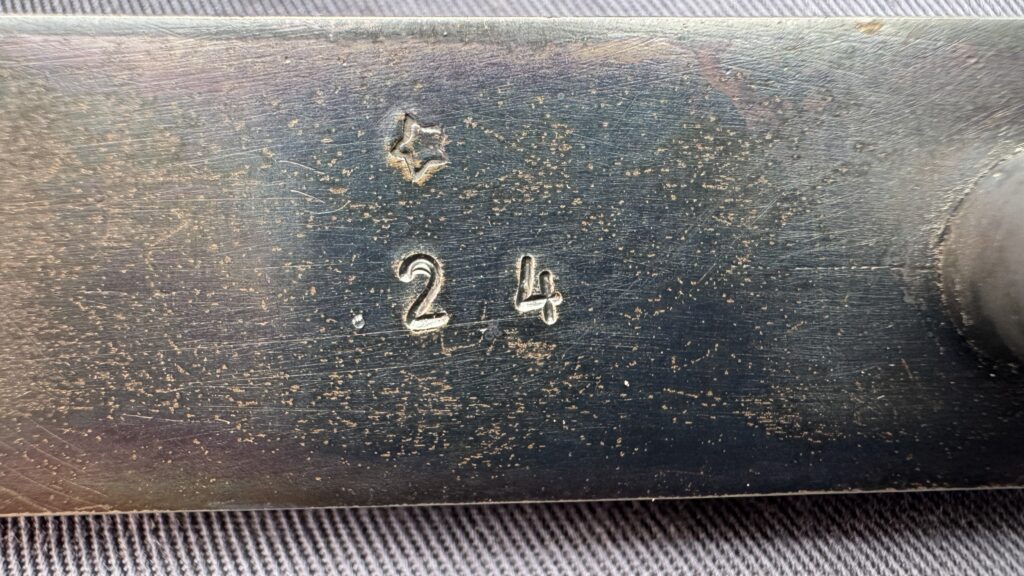
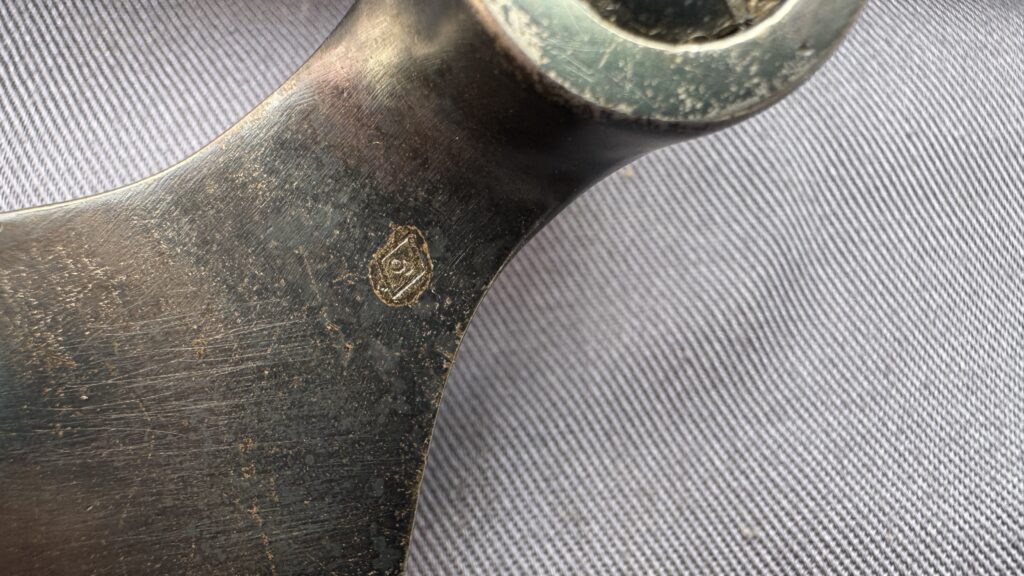
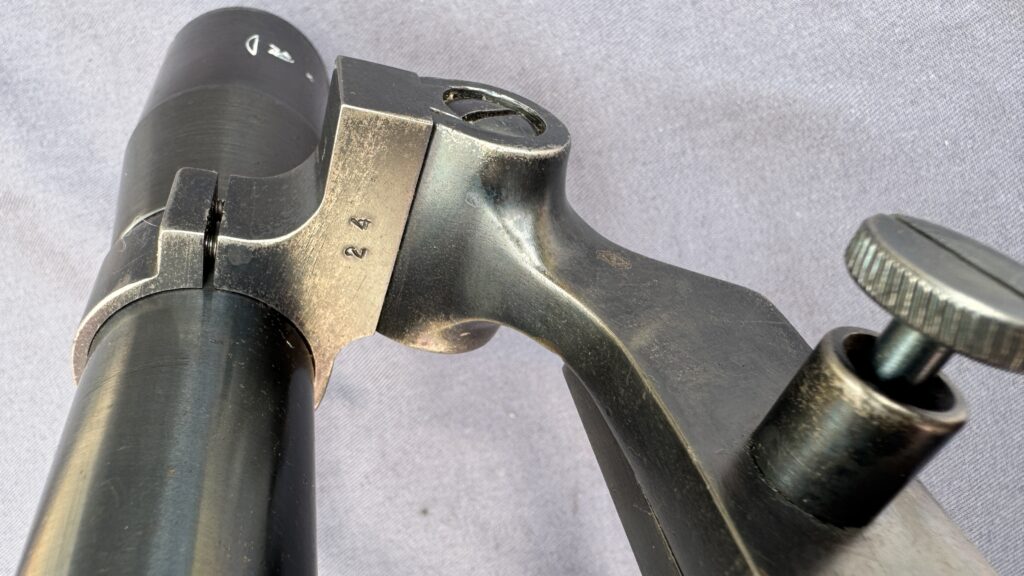
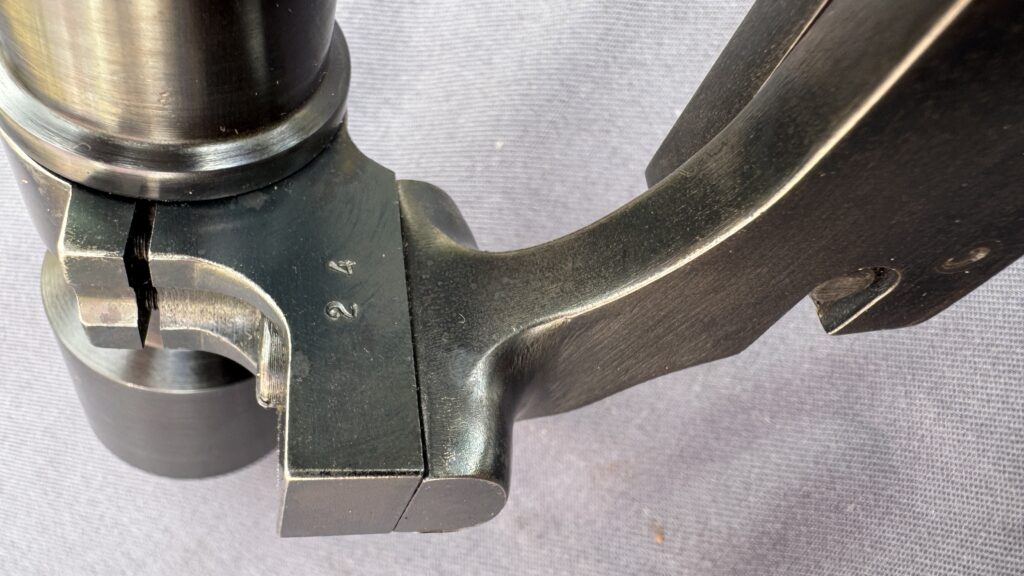
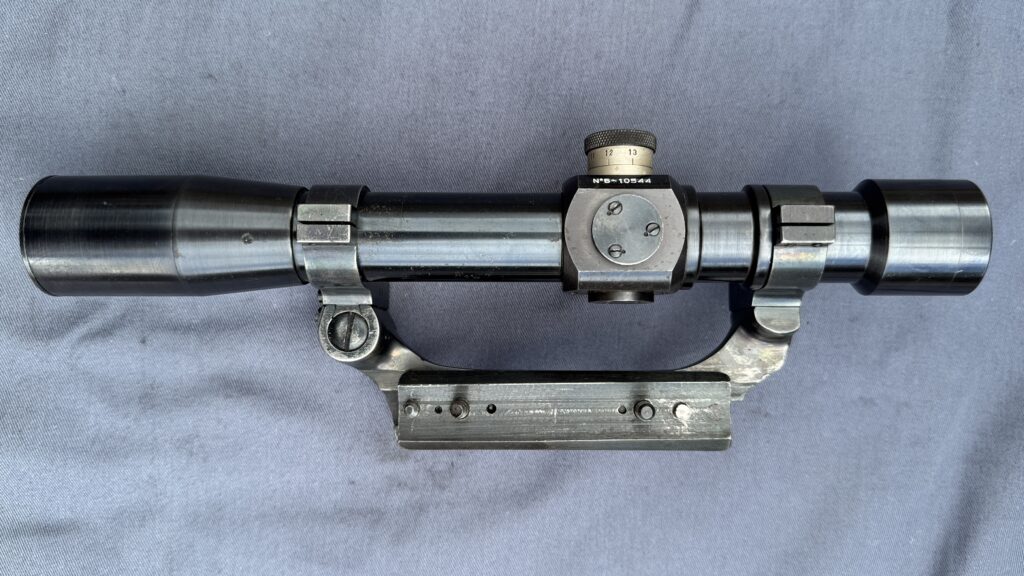
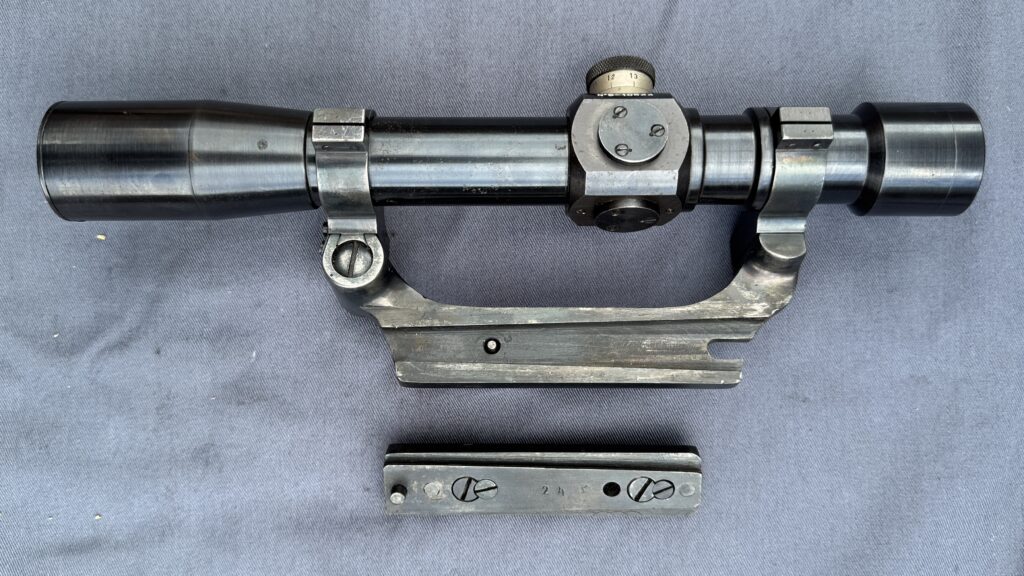
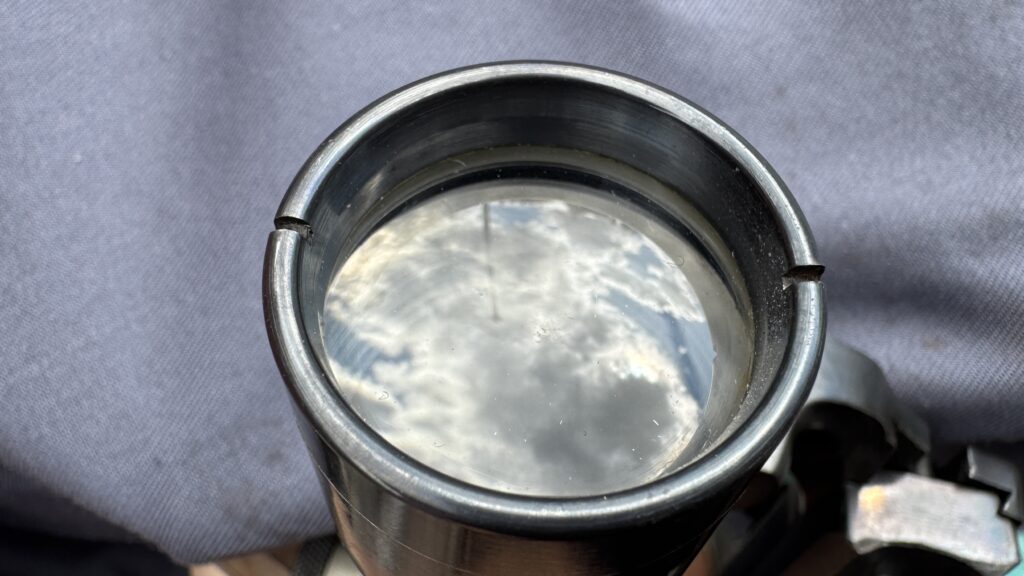

• Manufacturer: Various Soviet arsenals, from 1937 onward
  • Era: Pre-WWII / WWII
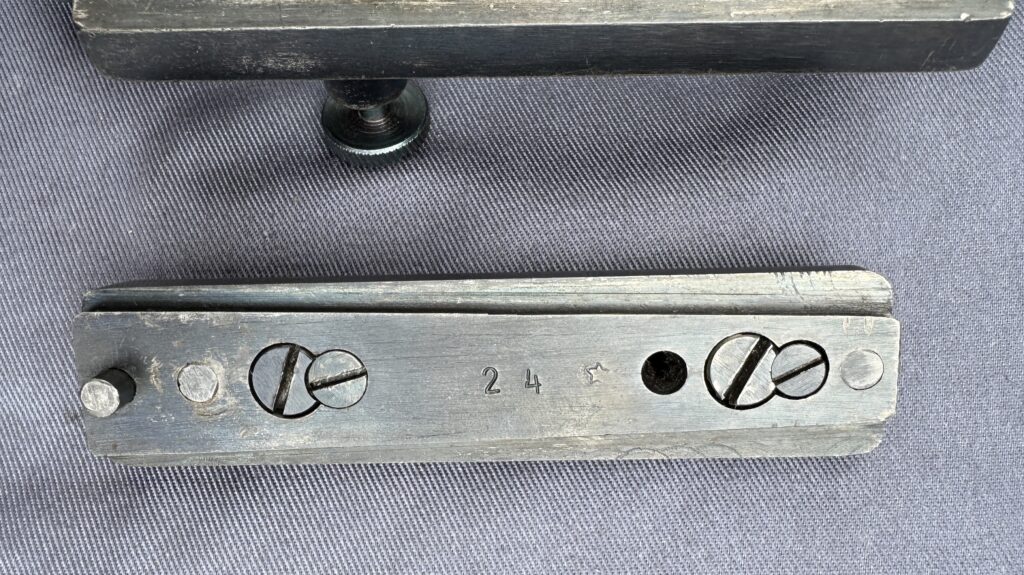
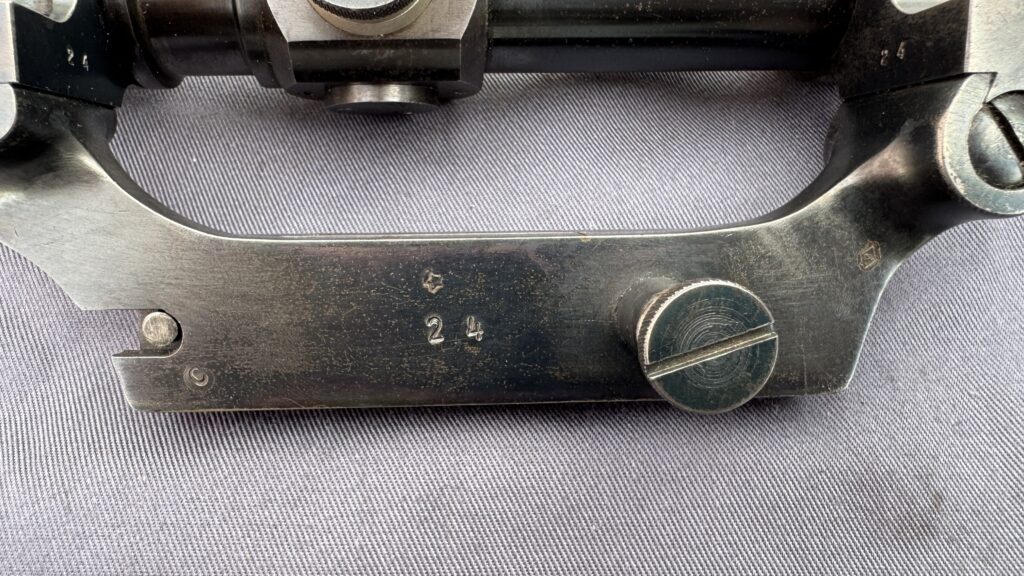
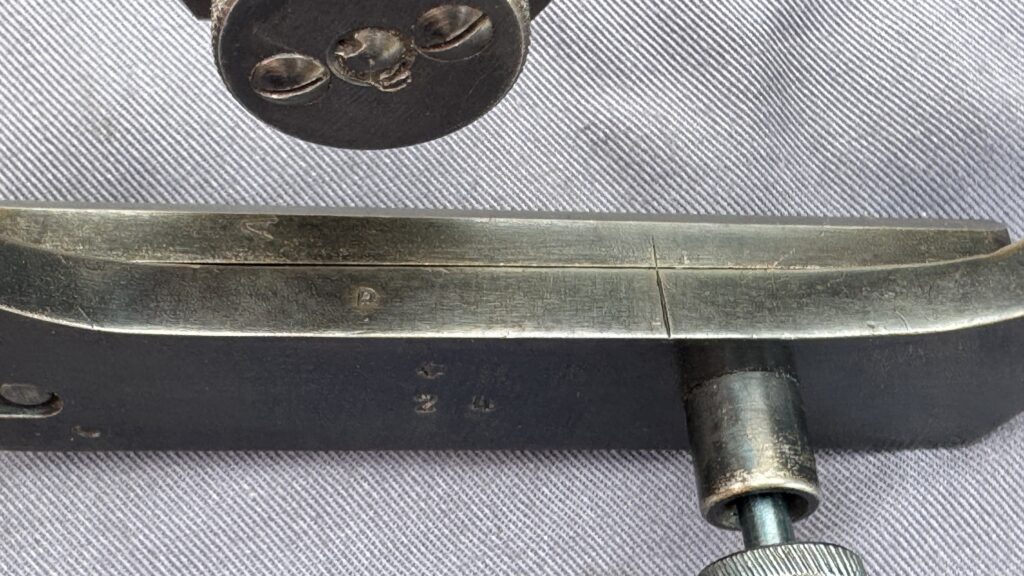
  • Mounting: Side-rail system on M91/30 Mosin-Nagant sniper rifles
  • Magnification: 4x (officially, though some soldiers swore it was closer to “good luck x4”)
  • Weight: Enough to double as a blunt weapon if ammo ran out
  • Production numbers: Tens of thousands — because the Soviet Union never believed in small batches
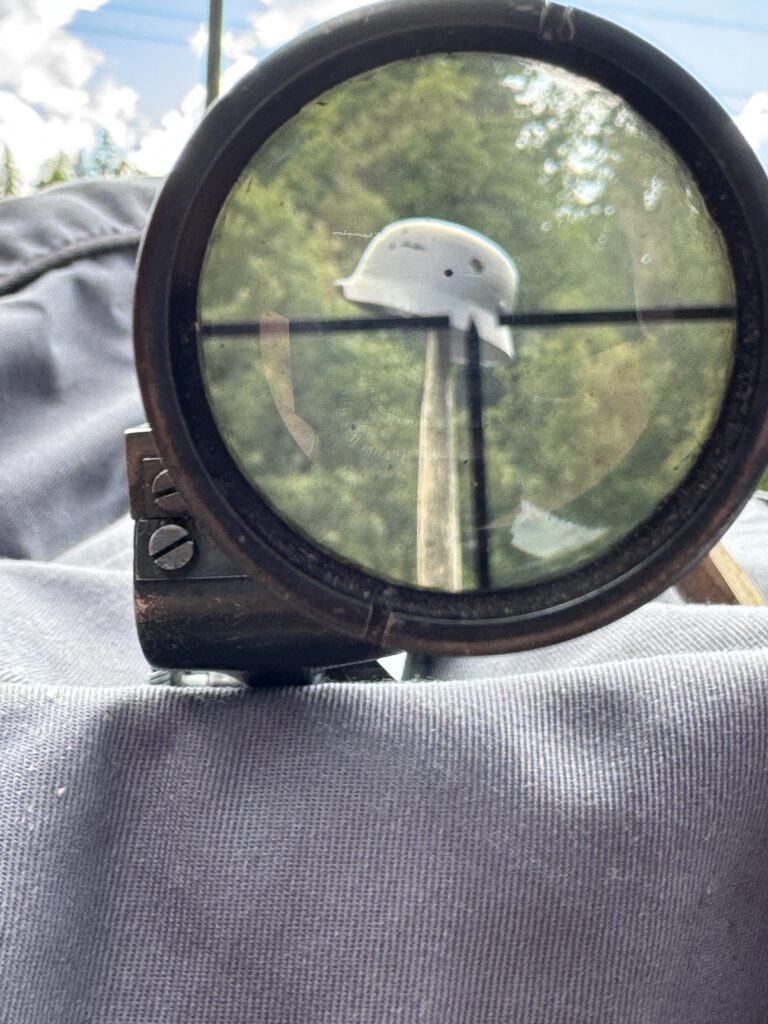
  • Optics: Surprisingly clear for the era, until you breathed near it
  • Suitability for war: Absolutely — as long as you were okay with adjusting, re-adjusting, and cursing in Russian every five minutes


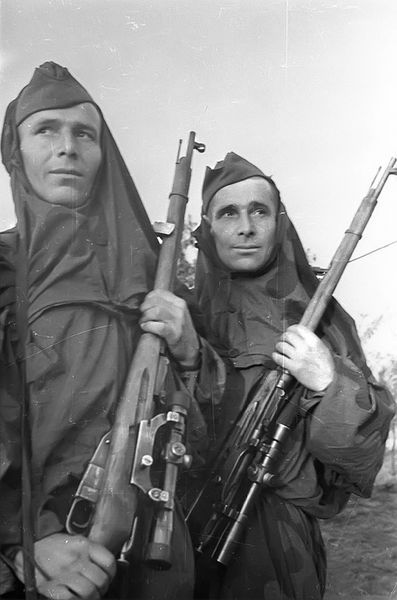
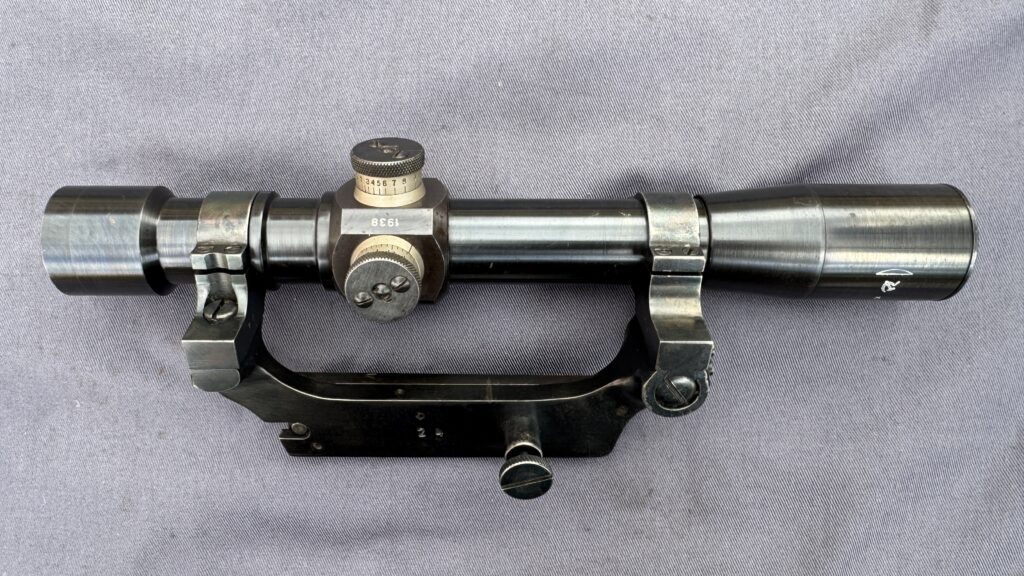
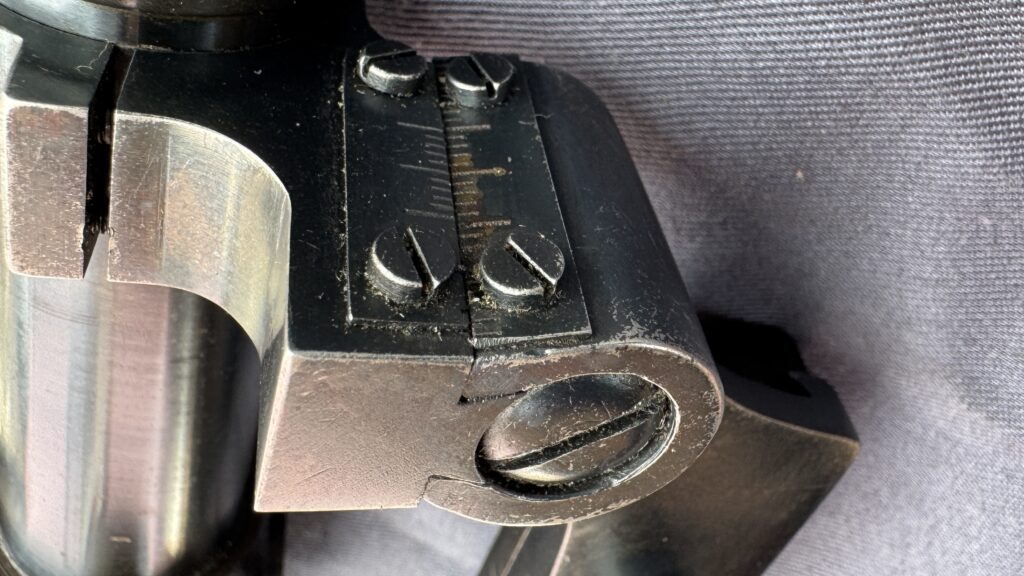
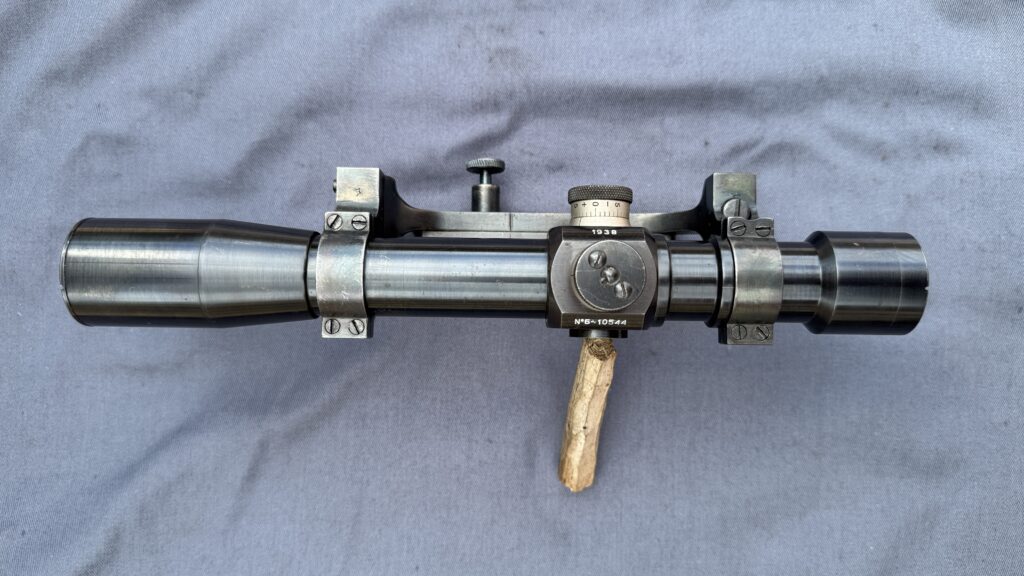
The Soviet PEM scope was introduced in 1937 as the Red Army’s second “serious” attempt at mass-produced sniper optics. Mounted to the side of the Mosin-Nagant M91/30, it gave the proud Soviet marksman two great advantages:

  1. A magnified view of the battlefield.
  2. The constant reminder that Soviet industrial quality control was more of a theory than a practice.

Built as a heavier, bulkier descendant of the earlier PE scope, the PEM was about as subtle as a brick and nearly as ergonomic. But the optics were decent, and when your doctrine is “quantity has a quality all its own,” who really cares if the scope fogs up faster than a Siberian sauna?


A genuine Soviet PEM side-mount scope is more than just glass and steel: it’s a piece of history from the Eastern Front, a reminder of how determination, vodka, and questionable factory standards combined to create one of WWII’s most iconic sniper setups.

The PEM Scope’s Short Career in Karelia

Karelia, 1940. A Soviet sniper was issued the brand-new PEM side-mount scope on his Mosin-Nagant. For once, the Red Army had delivered equipment that actually impressed him: the optics were crisp, the field of view wide, and the sturdy side mount kept the zero better than anything he had seen before. From his frozen foxhole, he could clearly watch Finnish positions through the glass — every tree line, every bunker roof, even the smoke curling from a field kitchen half a kilometer away.

The PEM gave him confidence. Each adjustment clicked firmly, each sight picture was sharp despite the snow and frost. He whispered to his comrades that this new scope was proof the Soviet Union could match the Germans in optical engineering. For a brief moment, he almost believed it.

But Karelia had a way of humbling even the best equipment. Within days, his unit was overrun in the chaos of a Finnish counterattack. The sniper slipped away into the forest, his rifle left behind in the snow. When the battle ended, Finnish soldiers found the Mosin-Nagant lying in a drift — with its gleaming PEM scope still attached, unharmed, and as clear as the day it left the factory.

That particular scope never saw service under the Red Banner again. Instead, it became a prized war trophy, passed from one Finnish marksman to another. The PEM had proven its worth in clarity and durability — just not for the army that built it.