


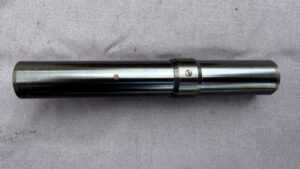
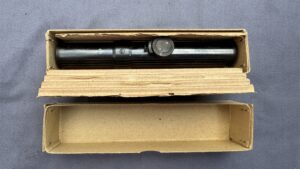
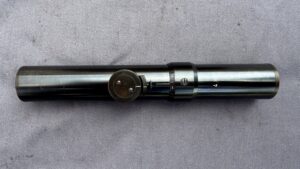
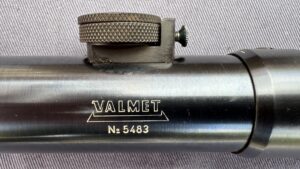
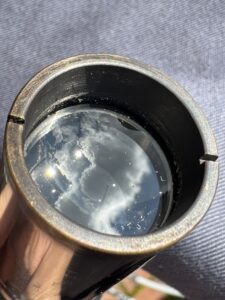
The One-Day War of the Valmet Scope
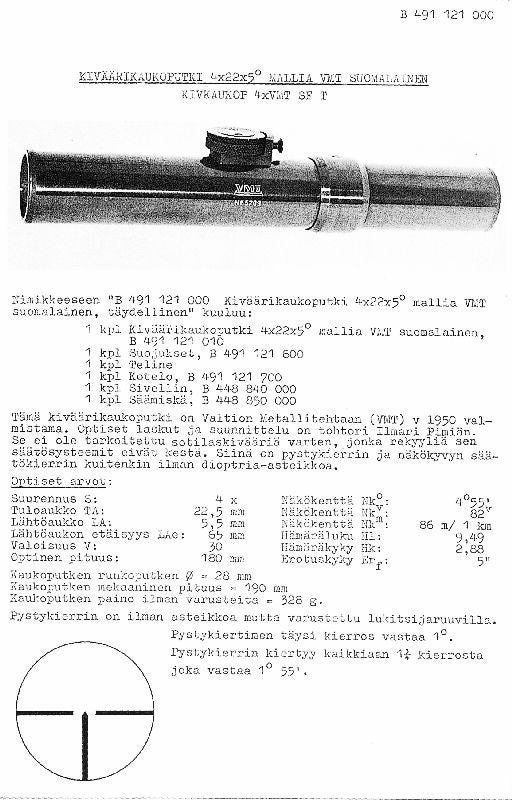
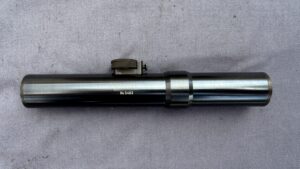
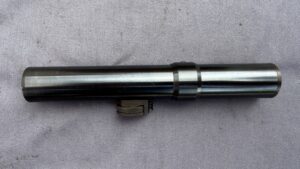
Legend has it that sometime in the mid-1950s, the Finnish Army decided to test the brand-new Valmet rifle scope. A dozen officers gathered on a frosty morning, armed with rifles, coffee, and the usual skepticism.
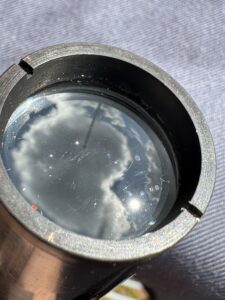
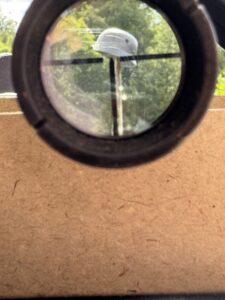
At first glance, the scope impressed everyone: crystal-clear optics, sharp reticle, and the kind of German-Finnish craftsmanship that made you think “this might actually work.” Then came the shooting trials.
The first soldier shouldered his rifle, aimed carefully, and fired. The recoil politely reminded the scope that it wasn’t built for war. It slipped half an inch backwards, leaving a circular bruise on the poor conscript’s eyebrow — thus inventing the term “Valmet tattoo.”
The second soldier tried tightening the mounts with the traditional Finnish solution: a bigger wrench. The scope still wobbled like a drunk elk on ice. By the third shot, the officers agreed that while the optics were flawless, the construction was better suited for birdwatching than battlefield conditions.
The official test report, allegedly, read:
- “Optical performance: Excellent.”
- “Combat suitability: Equivalent to binoculars glued on with hope.”
Production ended in less than a year, and the Finnish Army never adopted the scope. The few hundred that survived went straight to collectors — because nothing says “Cold War relic” quite like a scope too good for hunting squirrels but too fragile for shooting enemies.